
Looking for a Family Adventure? 10 Things to Know Before You Book

An easy arrival can set the tone for the entire journey.
Family travel becomes more memorable when it is shaped around the people taking it, not a standard package or a packed list of attractions.
The best family adventure travel balances discovery with comfort, activity with rest, and careful planning with room for the unexpected. Whether you are traveling with young children, teenagers, grandparents, or a wide circle of relatives, a thoughtful plan allows everyone to feel included.
Before you reserve flights, accommodations, or excursions, consider these ten essentials.
1. Define what “adventure” means for your family
Adventure does not need to mean extreme sports or long days on the trail. For one family, it may be snorkeling in calm water. For another, it could be a cultural food tour, a wildlife excursion, a scenic rail journey, or a relaxed cruise with several ports to explore.
Start by asking each traveler what they hope to experience. Younger children may want pools, animals, or hands-on activities. Teenagers may prefer independence and active excursions. Older relatives may value comfort, scenery, and a manageable pace.
A short family poll can reveal useful priorities:
- Two activities everyone wants to try
- One experience each person would enjoy
- Any activity, food, or environment someone wants to avoid
- The ideal balance of relaxation and exploration
Use those answers to choose the destination. Let the family’s interests lead the planning rather than forcing everyone into a destination that looks impressive on paper.
2. Match the pace to the youngest and oldest travelers
An itinerary that looks reasonable for adults can feel exhausting for children or older family members. Long transfers, early departures, heat, and multiple activities in one day can quickly affect everyone’s mood.
For most families, one major activity per day is a reliable starting point. Add smaller, optional moments around it, a swim, a casual meal, a short walk, or time at the resort.
Build in:
- Arrival and recovery time after flights
- Regular meal and snack breaks
- Quiet time for naps or recharging
- Buffer time between excursions
- At least one largely unstructured day during longer trips
If the group includes different energy levels, choose activities with flexible participation. One person might kayak while another enjoys a waterfront café. A well-designed itinerary gives everyone a way to be part of the day without requiring identical interests or stamina.
3. Balance structure with genuine downtime
A family trip needs enough structure to feel effortless, but not so much that every hour is spoken for.
Reserve the experiences that require advance planning, such as guided tours, special dining, transfers, and popular excursions. Leave space around them. Downtime is not wasted time; it is often when families reconnect, notice the setting, and create the memories they did not schedule.
This balance is especially important for multi-generational travel. Grandparents may appreciate a slower morning, while children may need a pool break after sightseeing. A flexible plan can accommodate both.
When reviewing an itinerary, ask: Would this still feel enjoyable if one activity ran late or the weather changed? If the answer is no, the schedule may be too tight.
4. Choose accommodations that work for the whole group
Where you stay influences sleep, meals, logistics, and how easily the group can spend time together.
Look beyond the room count. Consider the layout, privacy, accessibility, and shared spaces. Depending on your family, a suite, connecting rooms, villa, vacation home, or family-friendly resort may be more comfortable than several standard rooms.
Before booking, confirm:
- Sleeping arrangements for every traveler
- Number and location of bathrooms
- Kitchen or kitchenette access
- Laundry facilities
- Cribs, high chairs, or rollaway beds
- Elevator access and mobility considerations
- Balcony, pool, and window safety
- Distance from dining, beaches, parks, or activities
A convenient location can be worth the additional cost. Cutting long daily transfers often protects both energy and patience: two valuable resources on an active family vacation.
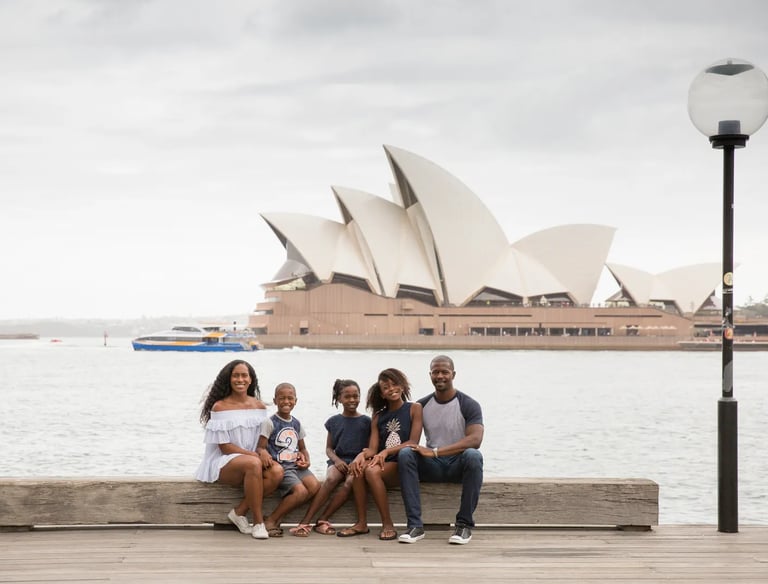
Choose a base that makes togetherness feel natural.
5. Review safety details before you commit
Safety should be part of the booking conversation, not an afterthought.
For every major activity, check age limits, swimming requirements, physical demands, equipment standards, weather policies, and supervision. A waterfall climb, boat excursion, zip line, or off-road tour may be suitable for some travelers but not others.
Also consider destination-level preparation. The CDC Travelers’ Health resource offers destination-specific information about health considerations, vaccines, and travel notices. Speak with a medical professional about individual needs, especially when traveling with young children, older adults, or anyone managing a health condition.
Pack essential medications in original containers, along with prescriptions, allergy treatments, motion-sickness remedies, rehydration supplies, and a small first-aid kit. Keep copies of passports, insurance details, emergency contacts, and important medical information in a secure location.
Travel insurance is also worth reviewing. Confirm whether the policy covers medical care, trip interruption, cancellations, and the adventure activities you plan to enjoy.
6. Set a complete budget: not just a booking price
The headline price rarely reflects the full cost of a family trip.
Create a working budget that includes:
- Flights or other transportation
- Accommodation
- Transfers and rental cars
- Meals and drinks
- Activities and entrance fees
- Travel insurance
- Gratuities
- Gear, luggage, and local transportation
- A reserve for unexpected expenses
Then decide where comfort matters most. Some families prioritize direct flights, private transfers, a central hotel, or a larger room. Others prefer to spend more on guided experiences and save through a vacation rental or shoulder-season travel.
An experienced travel advisor can also help compare the real value of an all-inclusive resort, cruise, custom itinerary, or independent booking. The least expensive option is not always the most economical once time, transfers, meals, and convenience are included.
7. Pay close attention to weather and seasonality
A destination can feel completely different depending on when you visit.
Research typical temperatures, rainfall, humidity, ocean conditions, wildfire risk, hurricane patterns, and seasonal closures. Think about the activities you want to do, not just the destination itself. A beach trip, mountain hike, wildlife safari, or city break may each have a different ideal season.
Shoulder season often offers a refined balance of pleasant conditions, lower rates, and fewer crowds. However, confirm that the attractions, restaurants, and excursions you want will be operating.
School calendars naturally shape many family trips, so booking during holidays may be unavoidable. If that is the case, reserve earlier and consider arriving a day before the main itinerary begins. This can make room for jet lag, delayed luggage, or a slower first morning.
8. Book popular family trips earlier than you think
Families often need more specific arrangements than solo travelers: multiple rooms, connected accommodations, family suites, car seats, accessible transfers, and activities with age-appropriate spaces.
Popular school-break dates, cruises, all-inclusive resorts, and multi-room properties can fill well in advance. Early planning gives you more choice and more time to compare cancellation policies.
Lead time is particularly important for:
- Multi-generational groups
- Large family or reunion travel
- Peak-season beach resorts
- Cruises with preferred cabin locations
- Villas and connecting rooms
- Destinations requiring visas or special documentation
- Activities with limited daily capacity
Booking early does not mean every detail must be rigid. Look for flexible terms where possible and leave room to refine the itinerary as your plans develop.
9. Look for inclusive, realistic representation
The imagery used to sell a trip should help your family imagine themselves there.
When reviewing resort websites, destination guides, and travel proposals, look for representation of different family structures, cultures, ages, body types, abilities, and skin tones. A family vacation should not be presented as belonging to only one kind of traveler.
Representation is also practical. Ask whether the destination and suppliers can support:
- Mobility needs
- Dietary requirements
- Infant care and child equipment
- Sensory considerations
- Different cultural or religious needs
- Same-sex parents and diverse family structures
- Private or flexible spaces for nursing and rest
A personalized itinerary should reflect the real people traveling: not an idealized brochure family.
10. Decide whether personalized travel planning is right for you
Researching a family trip can become a second job. Comparing resorts, reading policies, coordinating arrival times, checking activity restrictions, and tracking payments takes time: and the complexity increases with every traveler.
That is where personalized travel planning can make a meaningful difference.
Adventure Seven Travel designs trips around your family’s preferences, style, budget, and comfort level. The goal is not simply to book transportation and rooms. It is to coordinate the details so the journey feels considered from beginning to end.
A travel professional can help you:
- Narrow destinations that suit your group
- Compare resorts, cruises, custom trips, and guided experiences
- Build a realistic pace
- Coordinate rooms, transfers, and activities
- Identify potential safety or accessibility concerns
- Plan around weather and school calendars
- Keep the itinerary organized in one place
- Provide support when plans need to change
Explore Adventure Seven Travel’s services or begin with Book My Adventure to start shaping a trip that feels distinctly yours.

The right excursion invites every generation into the experience.
A final thought before you book
The strongest family adventures are not necessarily the busiest or most ambitious. They are the ones that respect the group’s rhythm, make room for individual needs, and leave everyone with something to remember.
Plan the important details. Protect the slower moments. Choose experiences that invite participation without pressure.
Then let the journey unfold with a little room for discovery.

Leave space for the moments no itinerary can predict.
For more inspiration, browse Adventure Seven Travel’s featured trips, or contact the team about your next family adventure.